


Breaking Down the Cost of Luxury Interior Design - Your Luxury Design Pricing Guide
- Sarah K

- May 24
- 4 min read
When it comes to transforming a space into something truly spectacular, luxury interior design stands in a league of its own. But what exactly goes into the price tag? I’ve spent years working alongside clients who want to create sophisticated, timeless environments, and I’m here to share what you need to know about the luxury design pricing guide. Whether you’re a homeowner dreaming of a lavish living room or a hospitality business aiming to impress guests, understanding the costs involved can help you make informed decisions and get the best value for your investment.
Understanding the Luxury Design Pricing Guide
Luxury interior design is not just about picking expensive furniture or trendy decor. It’s a comprehensive process that involves creativity, expertise, and attention to detail. The pricing guide for luxury design typically includes several components:
Design fees: This covers the designer’s time, creativity, and project management.
Materials and furnishings: High-end fabrics, custom furniture, and exclusive accessories.
Labor and installation: Skilled craftsmen, carpenters, and installers.
Additional services: Lighting design, art curation, and sometimes even landscaping.
Each of these elements contributes to the overall cost, and the balance between them varies depending on your project’s scope and style. For example, a boutique hotel lobby might require more custom lighting and art, while a private residence could focus on bespoke furniture and textiles.
One practical tip: always ask for a detailed breakdown from your designer. This transparency helps you understand where your money is going and allows you to prioritize what matters most to you.

What Influences the Cost of Luxury Interior Design?
Several factors can influence the final price of a luxury interior design project. Here’s a closer look at the main drivers:
1. Project Size and Complexity
Larger spaces naturally require more materials and labor. But complexity matters too. A simple, minimalist design might cost less than a highly detailed, ornate style that demands custom millwork and intricate finishes.
2. Quality of Materials
Luxury means premium quality. Think Italian marble countertops, handwoven rugs, or rare wood veneers. These materials come with a higher price tag but also offer durability and timeless beauty.
3. Customization Level
Custom pieces are a hallmark of luxury design. Whether it’s a hand-carved dining table or a tailor-made sofa, bespoke items add uniqueness but also increase costs due to design and production time.
4. Location and Accessibility
Where your project is located can affect labor costs and shipping fees for materials. Remote or hard-to-access sites might require additional logistics planning and expenses.
5. Designer’s Expertise and Reputation
Top-tier designers bring years of experience and a refined aesthetic. Their fees reflect their skill, network, and ability to deliver exceptional results.
Understanding these factors helps you set realistic expectations and plan your budget accordingly.
What is the 3-5-7 Rule in Interior Design?
If you’ve ever wondered how designers create balanced and visually appealing spaces, the 3-5-7 rule is a handy guideline. It’s a simple formula for arranging elements in a room to achieve harmony and interest.
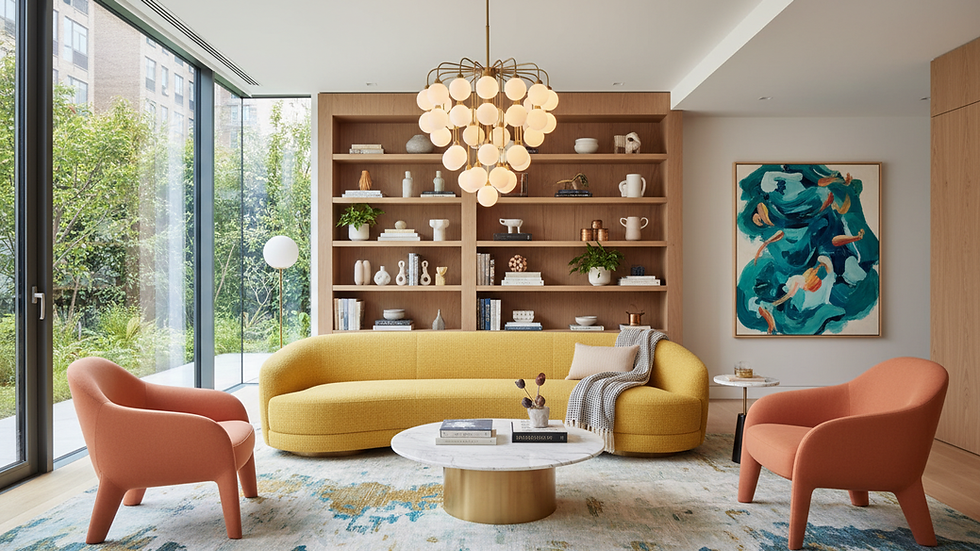
3: Use three large items or focal points. For example, a sofa, a large piece of art, and a statement light fixture.
5: Add five medium-sized pieces to complement the big items. Think side tables, chairs, or decorative objects.
7: Include seven smaller accents like cushions, vases, or books to add texture and detail.
This rule helps avoid overcrowding while ensuring the space feels layered and inviting. It’s especially useful in luxury design, where every piece counts and should contribute to the overall story of the room.
Applying this rule can also help you manage costs by focusing on key investments and layering in smaller, less expensive touches.
Breaking Down the Cost: Real Examples
Let’s get practical. Here’s a rough breakdown of what you might expect when budgeting for a luxury interior design project:
| Item | Estimated Cost Range | Notes |
|---------------------------|------------------------------|--------------------------------------------|
| Design Fees | $100 - $300 per hour | Depends on designer’s experience and scope |
| Custom Furniture | $5,000 - $50,000+ per piece | Handcrafted, unique pieces |
| High-End Materials | $50 - $200+ per square foot | Marble, exotic woods, luxury textiles |
| Labor and Installation | $50 - $150 per hour | Skilled tradespeople |
| Lighting and Fixtures | $1,000 - $20,000+ | Custom lighting design and fixtures |
| Art and Accessories | $500 - $10,000+ | Curated art pieces and decor |
For example, a luxury living room redesign might include a custom sofa ($15,000), marble coffee table ($8,000), designer lighting ($5,000), and art pieces ($3,000), plus design fees and labor. The total can easily reach $50,000 or more, depending on the details.
Remember, these numbers are flexible. You can scale your project up or down by choosing different materials or focusing on fewer custom elements.

Tips to Manage Your Luxury Interior Design Budget
Luxury doesn’t have to mean breaking the bank. Here are some tips to help you get the most from your investment:
Prioritize Key Areas: Focus your budget on spaces you use most or want to impress guests in, like the living room or lobby.
Mix Custom and Ready-Made: Combine bespoke pieces with high-quality ready-made items to balance cost and uniqueness.
Plan Ahead: Early planning helps avoid costly last-minute changes and allows for better sourcing deals.
Work with a Trusted Designer: A skilled designer can help you make smart choices and avoid expensive mistakes.
Consider Long-Term Value: Invest in timeless pieces and durable materials that will look great and last for years.
By approaching your project thoughtfully, you can enjoy the luxury experience without unnecessary stress.
Embracing Luxury with Confidence
Luxury interior design is an exciting journey. It’s about creating spaces that reflect your personality, lifestyle, and aspirations. While the price can seem daunting at first, understanding the components and planning carefully makes it manageable.
If you want to dive deeper into the details, check out this luxury interior design cost resource for a comprehensive look at pricing and services.
Remember, the right design team will guide you every step of the way, turning your vision into a stunning reality. So take a deep breath, dream big, and enjoy the process of crafting a space that’s truly yours.


Comments